The roofing industry has witnessed significant advancements in recent years, and one of the most exciting developments is the emergence of self-healing and self-cleaning roofs. These innovative roofing solutions are designed to repair minor damages and repel dirt, extending the lifespan of roofing materials and reducing maintenance costs. In this blog post, we’ll delve into the technology behind self-healing and self-cleaning roofs, their benefits, and tips for incorporating them into your roofing strategy.
What are Self-Healing and Self-Cleaning Roofs?
Self-healing and self-cleaning roofs are made from thermoplastics, a type of polymer that can repair scratches and scuffs through a process of heating and cooling. This technology allows the roofing material to autonomously repair minor damages, eliminating the need for frequent repairs and maintenance.
How Do Self-Healing and Self-Cleaning Roofs Work?
The self-healing process occurs when the thermoplastic material is exposed to heat, causing the polymer chains to break down and reform, effectively sealing any minor damages. This process can be repeated multiple times, making self-healing roofs an attractive option for homeowners and builders.
Self-cleaning roofs, on the other hand, are coated with a special material that repels dirt and debris, reducing the need for frequent cleaning and maintenance. This coating also helps to prevent the growth of mold and mildew, further extending the lifespan of the roofing material.
Benefits of Self-Healing and Self-Cleaning Roofs
- Extended Lifespan: Self-healing and self-cleaning roofs can extend the lifespan of roofing materials, reducing the need for frequent replacements and repairs.
- Reduced Maintenance Costs: With self-healing and self-cleaning roofs, homeowners and builders can save money on maintenance costs, as the roofing material can repair itself and repel dirt and debris.
- Improved Durability: Self-healing and self-cleaning roofs are designed to withstand harsh weather conditions, including extreme temperatures, hail, and high winds.
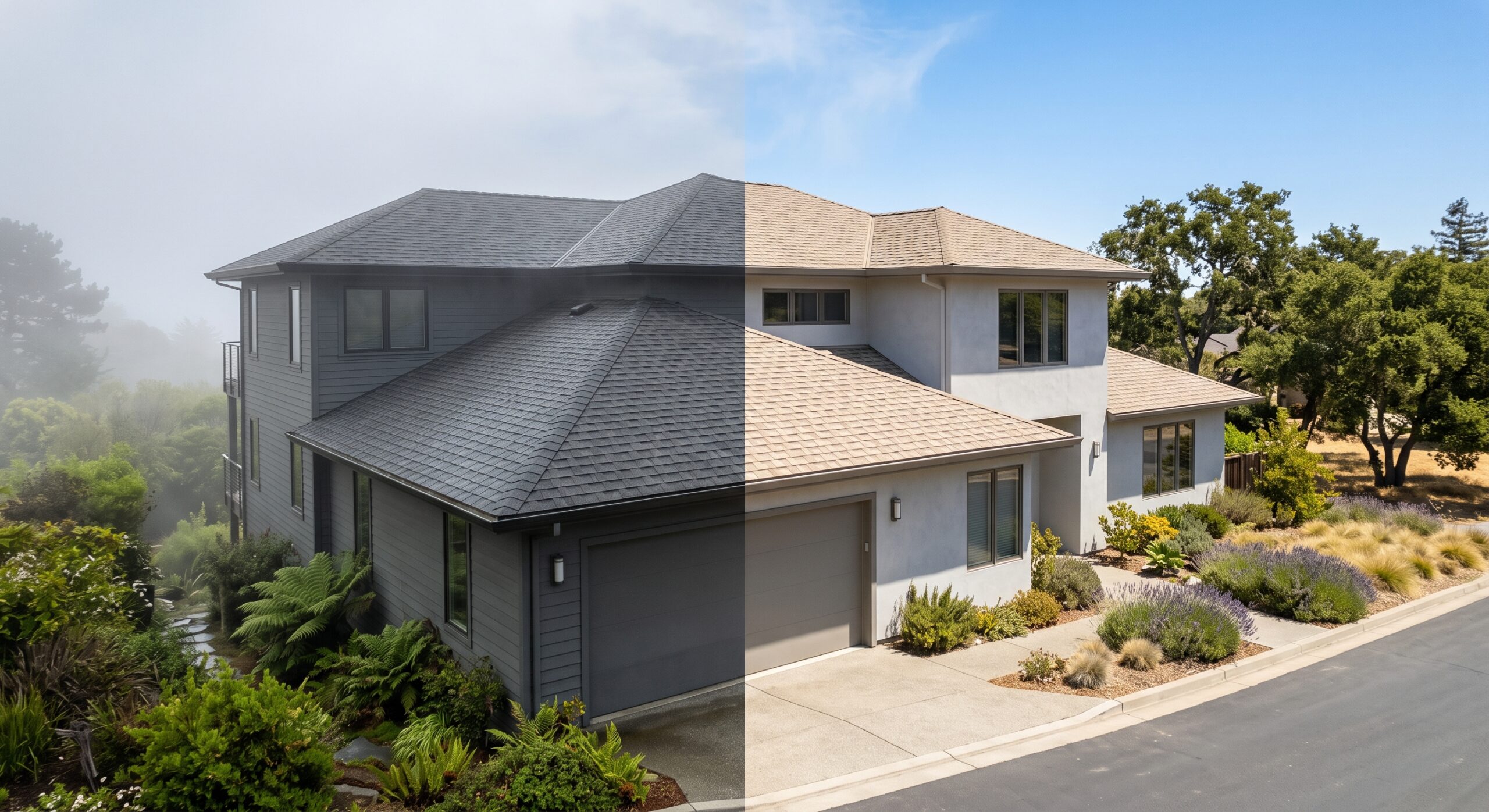
- Enhanced Aesthetics: Self-healing and self-cleaning roofs come in a variety of colors and styles, allowing homeowners and builders to choose a roofing solution that complements their property’s design.
Tips for Incorporating Self-Healing and Self-Cleaning Roofs into Your Roofing Strategy
- Choose a Reputable Manufacturer: When selecting a self-healing and self-cleaning roof, choose a reputable manufacturer that offers high-quality products and reliable customer support.
- Consider Your Climate: Self-healing and self-cleaning roofs are designed to withstand harsh weather conditions, but it’s essential to consider your local climate when selecting a roofing solution.
- Regular Inspections: While self-healing and self-cleaning roofs require less maintenance, it’s still essential to conduct regular inspections to ensure the roofing material is performing optimally.
- Combine with Other Roofing Technologies: Self-healing and self-cleaning roofs can be combined with other roofing technologies, such as solar panels and green roofs, to create a comprehensive roofing solution.
Self-healing and self-cleaning roofs are revolutionizing the roofing industry with their ability to repair minor damages and repel dirt. By understanding the technology behind these innovative roofing solutions and incorporating them into your roofing strategy, homeowners and builders can extend the lifespan of roofing materials, reduce maintenance costs, and improve the overall durability and aesthetics of their property.
Ready to experience the benefits of self-healing and self-cleaning roofs for yourself? Contact Bay 101 Roofing today to learn more about our innovative roofing solutions and schedule a consultation with one of our expert roofing professionals.