Your roof is your home’s first line of defense—but how long will it really last?
Whether you’ve recently bought a home or lived under the same shingles for decades, understanding your roof’s lifespan and how to maintain it can save you thousands in unexpected repairs or early replacement.
In this first blog post of our Roof Maintenance Series, we’ll cover the average lifespan of different roofing materials and give you actionable tips to help extend the life of your roof—regardless of what it’s made of.
How Long Does a Roof Last? It Depends on the Material
Every roofing material comes with its own timeline. Here’s a breakdown of the most common types:
| Roof Type | Average Lifespan | Maintenance Needs |
|---|---|---|
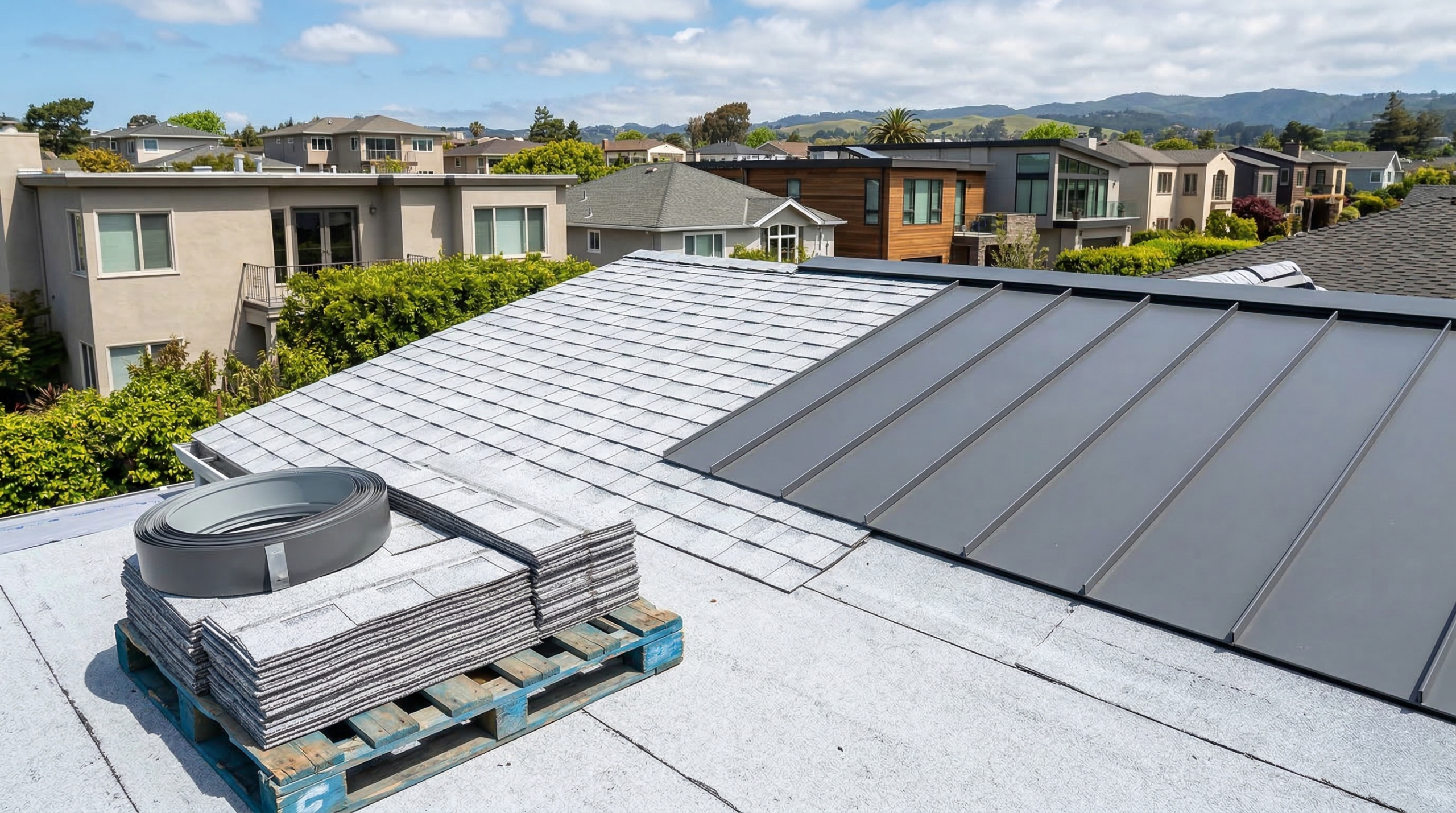
| Asphalt Shingles | 15–30 years | Moderate |
| Metal Roofing | 40–70 years | Low |
| Clay or Concrete Tile | 50–100 years | Low to moderate |
| Slate Roofing | 75–150 years | Low (but expensive repairs) |
| Flat Roof (Modified Bitumen or TPO) | 10–20 years | High (especially with pooling water) |
📌 Pro Tip: The quality of installation and local climate can significantly impact these ranges.
What Causes Roofs to Wear Out Early?
Even high-end materials won’t last long without proper care. Here are the top culprits behind premature roof failure:
- Neglected debris like leaves and branches causing moisture buildup
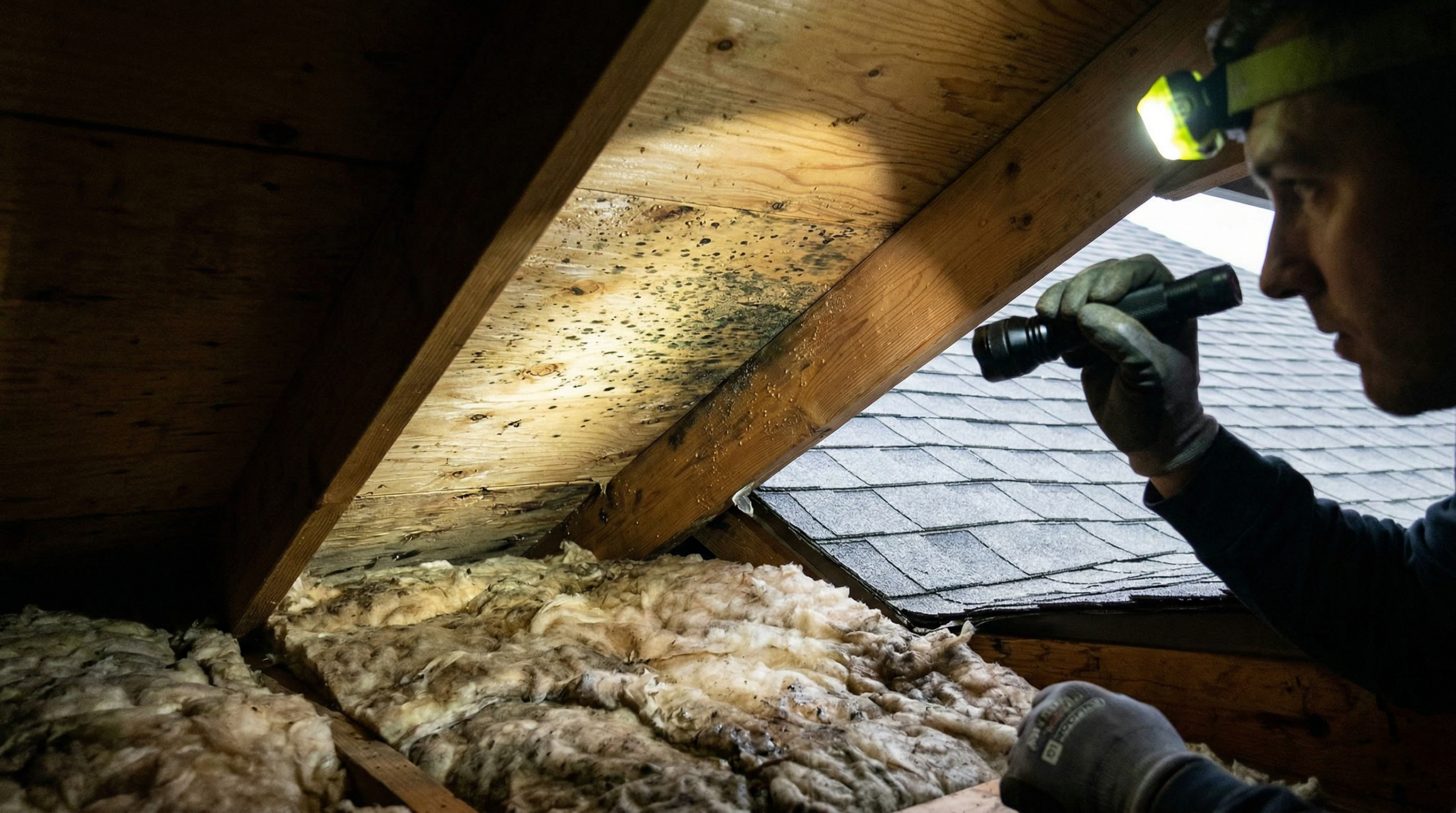
- Poor ventilation leading to trapped heat and mold growth
- Clogged gutters that allow water to pool on roof edges
- Storm damage that goes unnoticed or unrepaired
- Low-quality installation or patch jobs
How to Extend the Life of Your Roof
You don’t need to climb a ladder every weekend—but consistent, seasonal care can add years to your roof’s life. Here’s how:
1. Stick to a Seasonal Maintenance Plan
Each season brings its own threats:
- Spring – Inspect for winter damage, clear branches
- Summer – Check for heat-related cracks or curling shingles
- Fall – Clean gutters, remove leaves, check flashings
- Winter – Watch for ice dams and monitor attic ventilation
2. Inspect Annually
Get your roof professionally inspected once a year (or after major storms). Catching small issues early prevents big headaches later.
3. Keep Gutters Clean
Clogged gutters can cause water to back up under your shingles—especially during rainy seasons in the Bay Area.
4. Watch for Moss & Algae
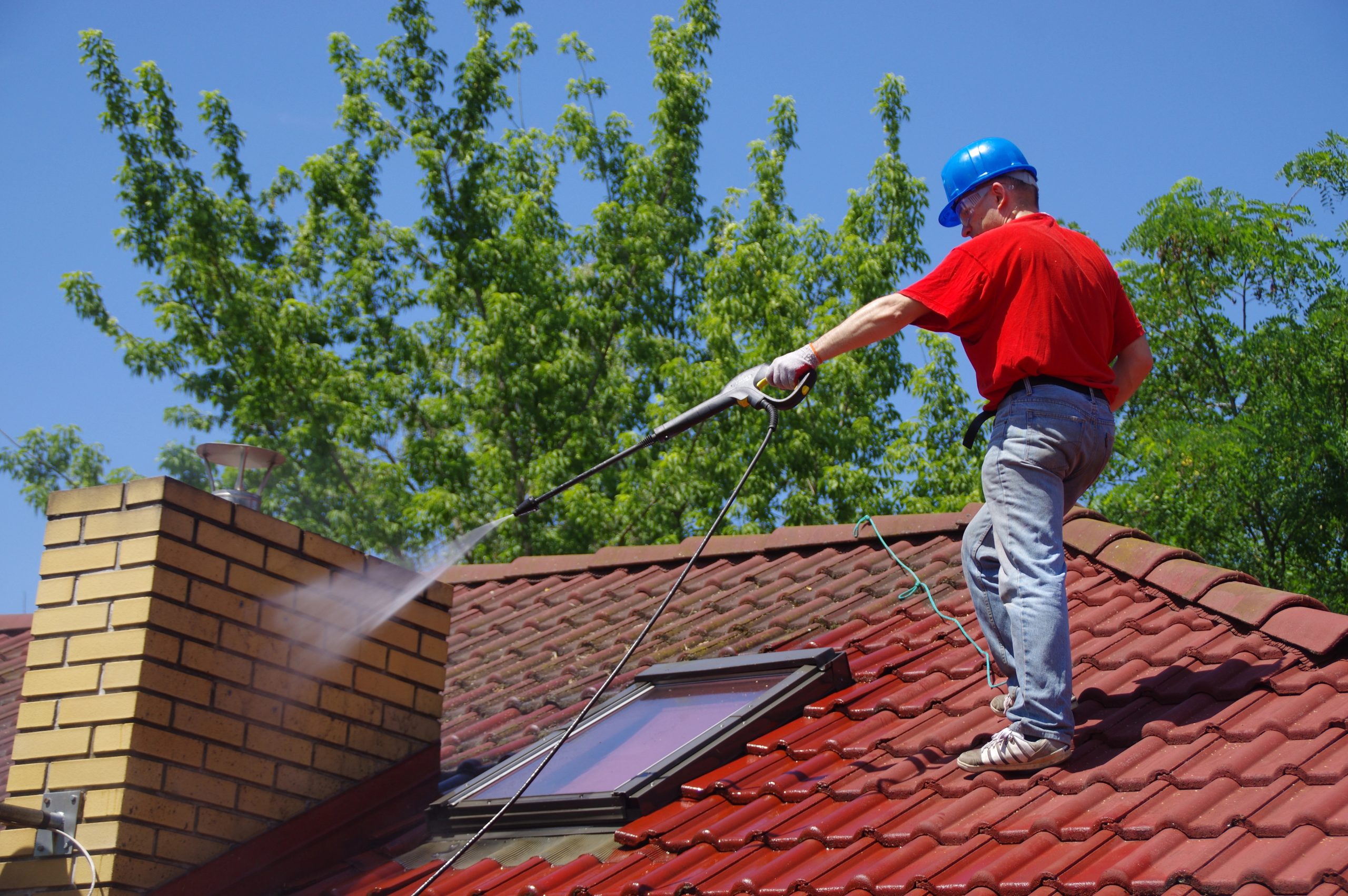
These aren’t just cosmetic issues. Moss can lift shingles, and algae can eat away at your roofing material. Use gentle, approved treatments.
When to Call a Pro
If you notice signs like:
- Curling or missing shingles
- Water stains on your ceiling
- Sagging areas on your roof
- Moss buildup or unusual growth
…it’s time to schedule an inspection. Professional eyes can often spot trouble long before it’s visible from the ground.
Looking Ahead in Our Roof Maintenance Series
This is just the beginning. In upcoming posts, we’ll dive deeper into:
- Seasonal checklists
- The truth about algae and moss
- How to make a smart call between repair vs. replacement
- Gutter systems and their effect on roofing
Need Help with Roof Maintenance in the Bay Area?
At Bay101Roofing, we help homeowners protect their most valuable investment with honest inspections, expert repairs, and maintenance plans tailored to your roof type. Our team knows Bay Area weather—and we know how to keep your roof strong through all of it.
👉 Schedule your FREE roof inspection today and stay ahead of costly surprises.